




Are we dumb, daft and blind? Or simply forgetful and inhumane?
Cruelty doesn’t make sense, it’s not supposed to. Legislation that is inscribed for show rather than practice produces confusion in civil order. We ask ourselves, no matter our racial backgrounds or religious beliefs: who are we as Malaysians? Since the establishing of an independent, democratic country, Malaysians have been tattered with cultural separation, class and social division, supported by either a lack of empathy or an excess agenda.
Them versus us; you versus me. We politicise everything, even the helpless animals of our land who can only whimper while in pain and not write an open letter.
Society is remembered for how it cares for its weakest members who could offer little. A nation building its reputation on the global stage is measured against its poorest index, not on its limited success stories. Good record keeping means there are opportunities for record breaking.
Congratulations, Malaysia – We have an opportunity to set the tone for how humanity is weighed by our tolerance of blatant cruelty:
- Revisit, revise and update the existing Animal Welfare Act 2015 to executable enforcement and humane practices in animal control. An Anti-Cruelty amendment expanding punishable acts towards animals, including abuse, neglect, poisoning and killing are criminal offences.
- Enhance investigation, enforcement and execution of the Animal Welfare Act 2015 (Act 772) to improve on the staggering number of unreconciled and unresolved abuse cases filed. Between 2021-2024, a total of 9,414 animal abuse complaints were reported with the Department of Veterinary Services (DVS) with an indictment rate of 0.6% (52 individuals fined a total of RM970,000 for animal cruelty). Kuala Lumpur and Selangor remain the two states with the highest reported cases of animal abuse; of no coincidence, the two states are also the most dangerous with the highest crime per capita between both West and East Malaysia.
- Reallocate the RM10 million towards repatriation, shelters and sustainable animal control efforts that the council spends on annual culling and killing of animals nationwide. Proving there is a humane alternative, state government Penang adopted the Trap-Neuter-Release (TNR) programme in collaboration with Independent Aid for Protection and Welfare of Animals (IAPWA) Penang in 2018, which contributed to 8,484 strays neutered on a zero-kill approach.
Why these changes are necessary and necessary now?
“Ignorance is a bliss vulnerable to masked theft.”
On 28 April 2026, our registered, residential dog that lives in a crate behind a gated home, was thrown a piece of meat laced with rat poison at 4:17 am. We suspect the culprit to be an overnight contractor working on a home renovation two houses from ours. It was the only new variable within a neighbourhood block that operates like clockwork.
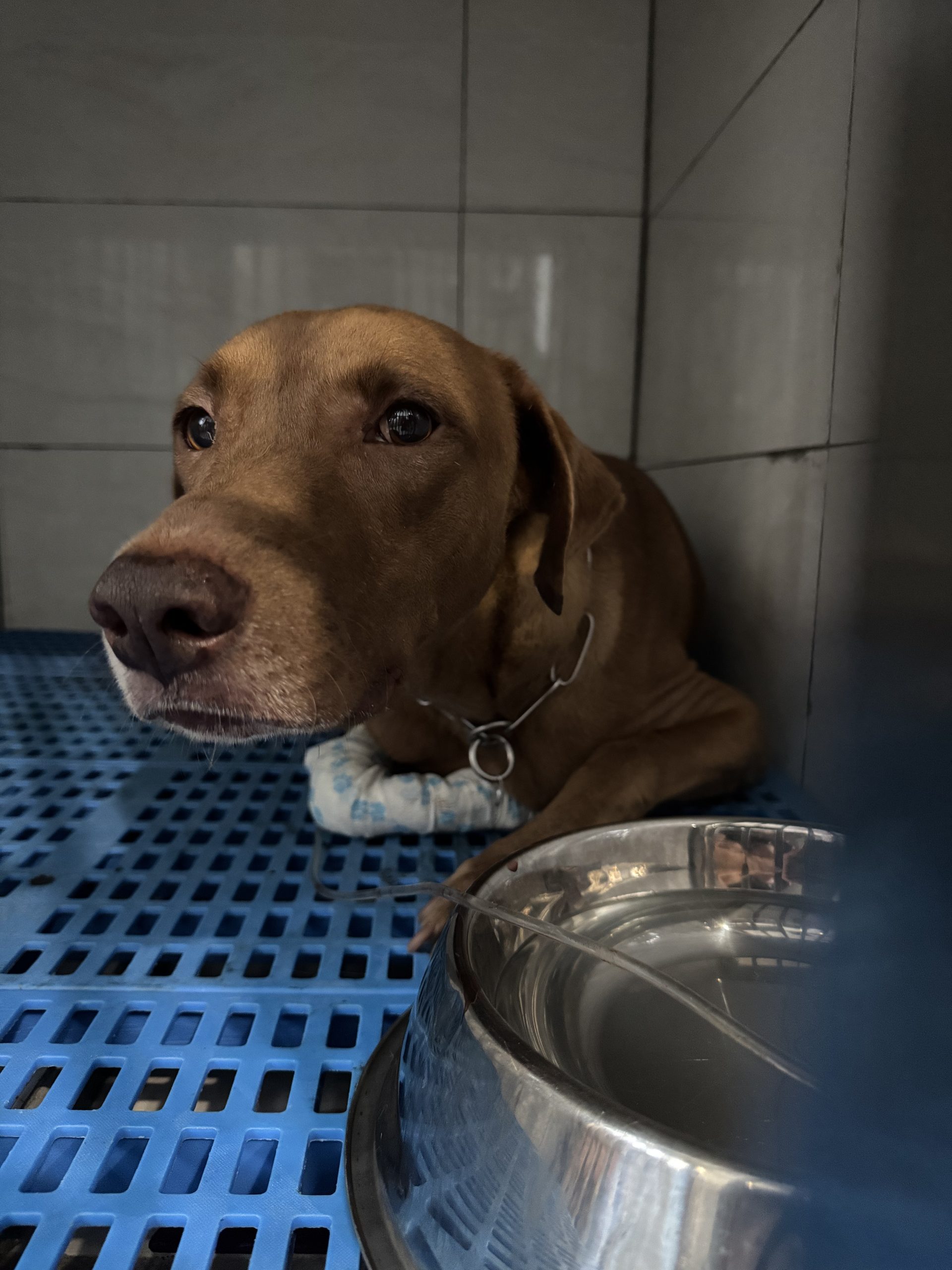
Around 4:32 am the following day (29 April 2026), our rescued, mixed-breed started a round of bloody stool and vomit – the first of many. This lasted all morning to the time the kids left home for school with heavy hearts. The dog was sick, very sick. The grown-ups had to frighteningly shift the entire day to include bringing him to the vet. Emergency leave and the vet only opens at 10 am. The dog was crying, he was losing consciousness fast.
Upon check-in, the vet immediately confirmed poisoning. They didn’t guarantee his survival but were optimistic. Our loving boy, Rusty, lost an incredible amount of weight within a few days. He required assistance to eat and do his business. We moved ourselves around his care, he was frightened and uncooperative during his recovery at the vet hospital. He checked out five days later with his liver and kidney index still reading 30x higher than normal.
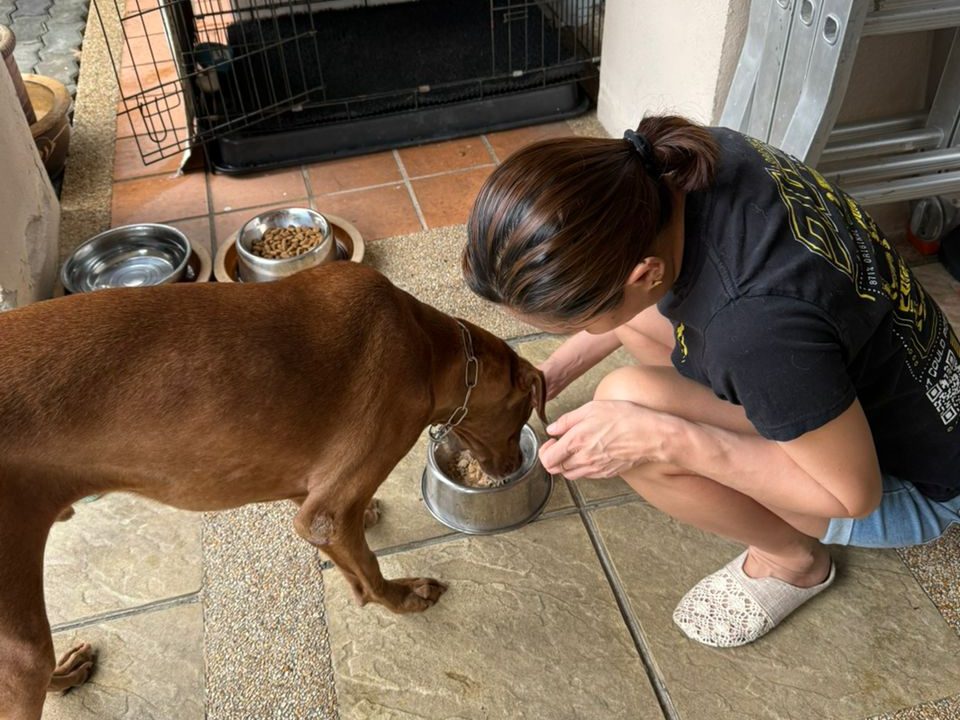
We made nutrient-dense dog food with extra doses of taurine and magnesium; soup to heal the stomach lining. He will live and after three weeks of a very controlled diet, he’s healthy enough to chase pigeons and spectate the neighbour’s kids play badminton again.
It was a close call that no one had the right to make.
We follow the law and are contributing citizens with young and old members in our family. The dog is part of our lives. And yet, unprovoked and undeserved, a coward the law protects by overlooking animal abuse as petty crimes, confused his authority and attempted murder at our gated doors. Is the poisoning of our family’s dog not considered intrusion with intent to kill?
They do it because they believe they can get away with it. And from the record – they can.
How cruelty disenfranchises a child’s mental health?
There is a very real world that our children live in away from screen time. We write policies and engage in dialogues on how to shield our young generation from cruel and unusual digital content, yet when malice happen in real-time, real-life, we ask them to absorb the trauma with, perhaps, more screen time.
When acts of cruelty touch a child’s life, the effects are permanent. We are asked as parental figures to uphold ethics and morality for our children, yet when real threat is thrown in our yard, we are defenceless to pursue justice. The lack of agency teaches our children of failure before commencement. It strips them of their natural gift to society and right to pursue any cause in earnest.
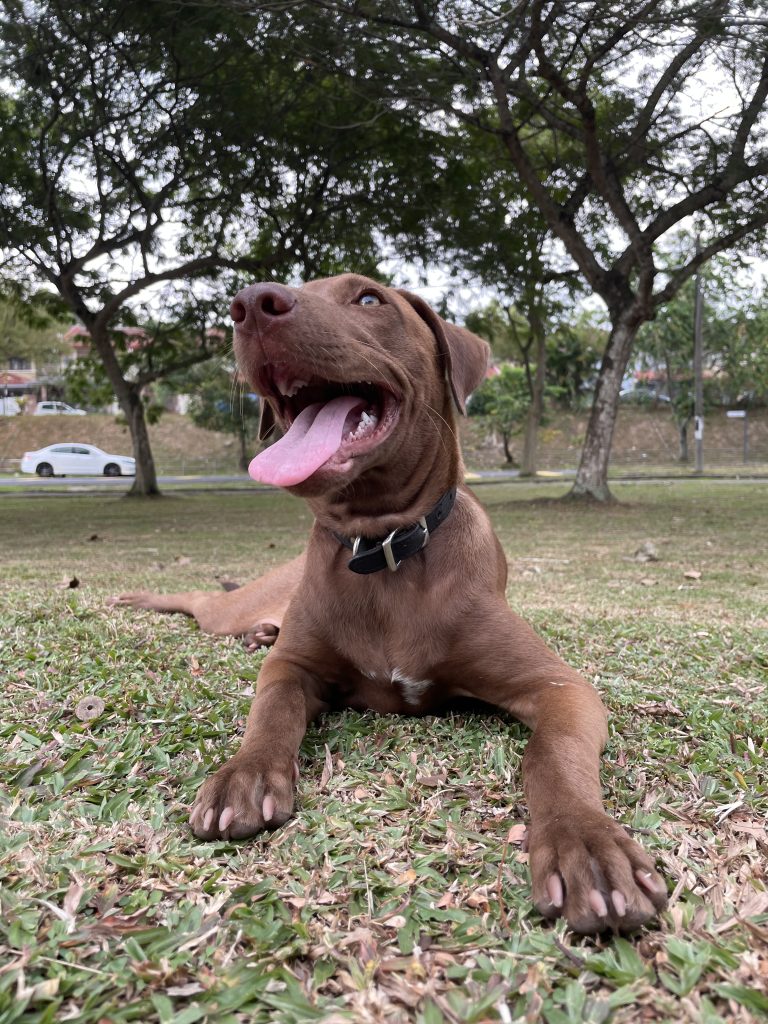
A brown dog named Rusty was poisoned. But that poison spread into the hearts of everyone who knows and loves him. It altered the children’s perception of society, and they will bear the burden that Malaysia is unsafe for pets. There is a price we pay with our mental health for every death or intentional harm done to our most vulnerable.
Our children’s future deserves effective framework and better examples.
It’s about society, less about having pets in condos
When animal cruelty is institutionalised, the acceptance of abuse trickles to a community scale. While Malaysia has yet to cross-reference animal cruelty rate against criminal activity, other countries such as US, UK, Australia and Ireland have reported a 47-71% correlation, finding animal abusers five (5x) times more likely to commit violent crimes, especially domestic abuse. Where animal cruelty is treated seriously, it serves as a warning against harsher crimes.
Malaysia is positioned to level its documentation with action, inspiring the way forward for neighbouring countries vying for a positive position within a global ranking: the Animal Protection Index (API). Due to the last Animal Welfare Act update in 2015, Malaysia currently holds an C rank with the API … on paper. In the ten years, the nation has failed to uphold its own framework and the organisation has graded us an “F” on enforcement. The blueprint doesn’t match the build.
It’s not that our policies don’t work, it’s that our policies are not enforced.
Not to compete with high-performing first worlds like Switzerland (A rank) or Singapore (B), but as a country representing 34 million people across multi-racial and -cultural backgrounds, we can afford to make our paper tiger with the API real. We can become a true C or even compete with Singapore on another cultural (advancement) topic. We only need to make a few adjustments (upgrades) and actually follow through.
We should be so ambitious that we have the chance to lead with compassion, because that’s who Malaysians are. With a great love that extends to all beings alike, we ask ourselves: Who are we and what can we do to make Malaysia safer for all of us?
We ask that we not turn a blind eye, that we not pretend cruelty of any kind is normal. We ask that we approach this sensitive and important social issue with kindness, knowledge and the concern it deserves as a society. We ask that we not forget Rusty’s survival story, like we have forgotten so many others who were not so lucky to have advocates by their side.
We ask to be heard for change and protection of our most vulnerable. We ask for an honest C ranking amendment to existing policies and their required duties. We ask that as Malaysians, we are a People who save lives and shape humanity.
With Hope,
Rusty’s Family & Friends
– along with the communities that are calling for “less talk, more action.”